


Why Do Lenders Verify Income for Personal Loan
Most people think applying for a personal loan will be quick and simple. Fill in a form, upload ID proof, and wait for the money. That expectation usually changes the moment the lender asks for income proof. Salary slips, bank statements, tax returns. For many borrowers, this feels unnecessary.
After all, a personal loan does not involve any house, land, or assets. So why does income suddenly become such a big topic?
The answer is not complicated, but it is important. Personal loans work mainly on trust, and income is the biggest signal lenders use to decide whether that trust makes sense.
Personal Loans Are Given Without Security
Unlike home loans or vehicle loans, personal loans are unsecured. Nothing is backing them except the borrower’s promise to repay. If repayments stop, the lender cannot recover a physical asset.
Because of this risk, lenders have to be careful. They need some way to judge whether the borrower will be able to keep paying the EMI month after month. Income verification helps them do that.
Without checking income, approving a personal loan would be more of a gamble.
Income Helps Lenders Judge Repayment Comfort
One of the main reasons lenders verify income is to understand whether repayment is actually comfortable for the borrower. On paper, an EMI might look fine. In real life, expenses do not stay the same every month.
Lenders look at income along with existing commitments. Other loans, credit cards, rent, school fees, and household costs all matter. If income is already stretched, adding another EMI increases the chances of missed payments.
Income verification helps lenders avoid putting borrowers into a difficult financial position.
Loan Amount Depends Heavily on Income
Many borrowers believe that a good credit score alone is enough to get a high loan amount. In reality, income plays an equally important role.
Two people can have similar credit scores, but the one with a higher income usually qualifies for a bigger loan. This is not about preference. It is about affordability. Higher income allows higher EMIs without stress.
By verifying income, lenders make sure the loan amount approved is realistic and manageable.
Stability of Income Is Closely Observed
Lenders do not just look at how much money you earn. They also want to know how stable that income is.
For salaried borrowers, job continuity matters. Someone working steadily with the same employer appears more reliable than someone who changes jobs frequently. For self-employed individuals, lenders check whether business income is consistent over time.
This is why documents like bank statements and tax returns are reviewed carefully. They show whether income is steady or unpredictable.
Income Influences Interest Rates and Tenure
Income verification also affects the terms of the loan. Borrowers with stable and sufficient income are considered lower risk. Which lowers risk and often leads to better interest rates or longer repayment options.
So, borrowers with irregular or lower incomes may still get a loan, but the interest rate could be slightly higher, and this might help lenders balance the risk involved.
So income does not just decide approval. It also shapes how expensive or affordable the loan will be.
Preventing Incorrect Information and Overborrowing
Another reason income verification is important for accuracy and without proper checks, borrowers might overstate their income to qualify for a higher loan amount.
This usually creates problems later. Income verification reduces these situations by keeping approvals grounded in reality.
It also protects the borrowers from taking on more debt than they can realistically handle.
Meeting Responsible Lending Requirements
Banks and financial institutions are also required to follow responsible lending practices, and one key rule is to check whether the borrower has the capacity to repay the loan or not.
Income verification helps lenders follow these guidelines. It reduces financial stress for borrowers and lowers the risk of loan defaults across the system.
This is not just about protecting lenders. It is also about keeping borrowing safe and sustainable.
Why Income Verification Helps Borrowers Too
Although income checks may feel frustrating, they actually work in the borrower’s favour. Loans approved without proper assessment often turn into long-term stress.
So, by verifying income, lenders ensure EMIs stay within the reasonable limits, and this might help borrowers to avoid late fees, credit scores damages and constant financial pressure. In the long run, income verification can support your healthier borrowing decisions.
FAQs
1. Why do lenders verify income before proceeding with a personal loan?
To ensure that the borrower can repay the loan comfortably without financial stress.
2. What documents are commonly used for income verification?
Mostly Salary slips, bank statements, income tax returns, and business income records are used.
3. Can a personal loan be approved with a low income?
Yes, but the loan amount and terms & conditions may be limited based on repayment capacity.
4. Does an income verification delay the loan process?
No, correct documents with complete details usually make approval faster.
Popular Blogs
Latest Blogs
Explore Popular Searched Pages
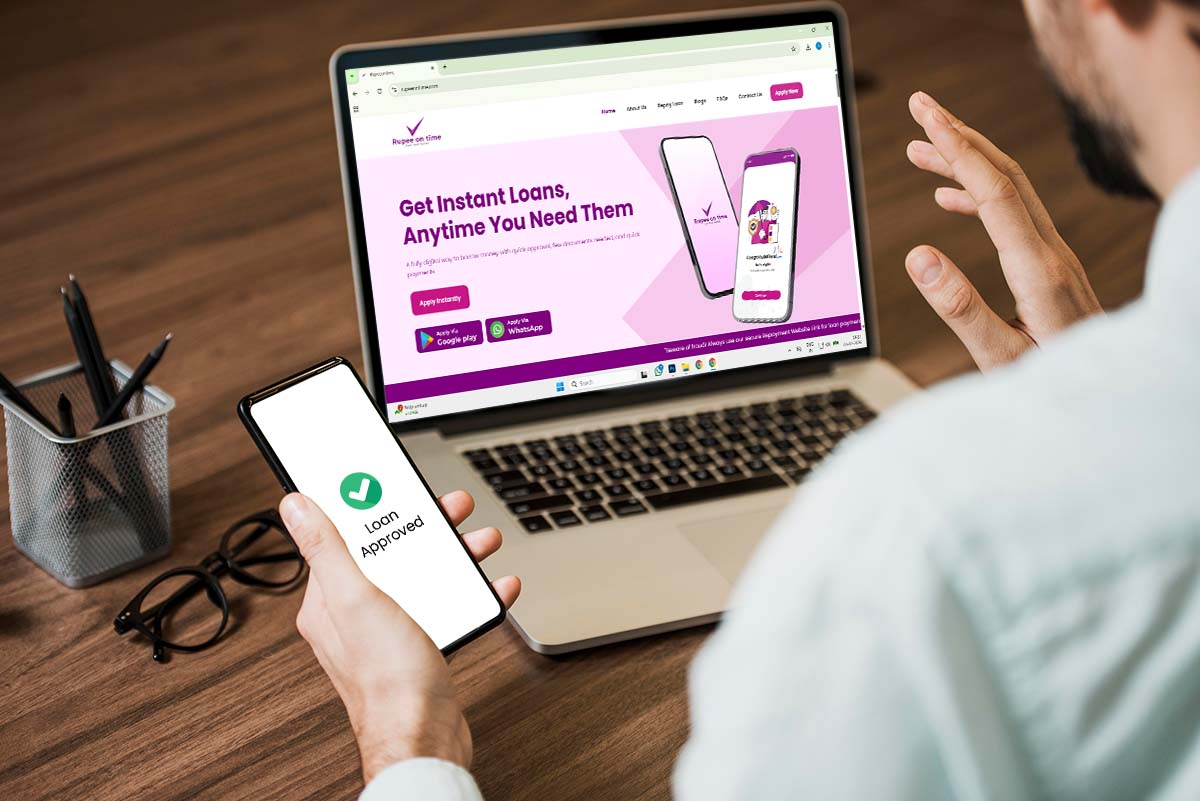
Personal Loan Apply Online – Quick Loan at RupeeOnTime
Get instant funds with a fast and easy process. Apply now for a personal loan of up to ₹1.5 lakh with quick approval.

About RupeeOnTime | Trusted Instant Loan Platform in India
RupeeOnTime is an instant personal loan and credit line app in India offering quick approval up to ₹1.5 lakh.
RupeeOnTime Digital Lending Partner Platform
RupeeOnTime empowers digital lending partners with secure technology and fast loan processing across India.
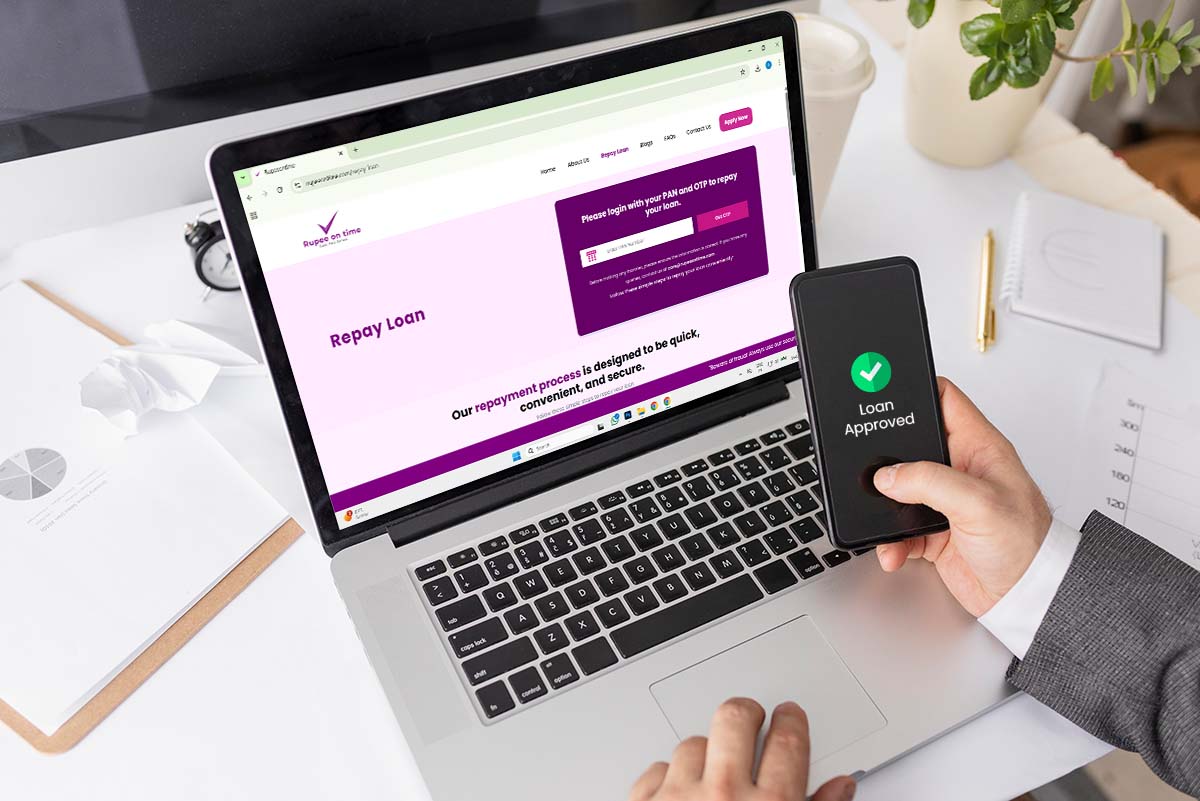
Repay Loan Online | RupeeOnTime Secure & Easy Loan Repayment
Manage instant personal loan repayment up to ₹1.5 lakh easily with RupeeOnTime’s secure and transparent process.

Contact Us | Get in Touch with RupeeOnTime for Support
Need help or have questions? Contact RupeeOnTime for quick support and reliable assistance anytime.